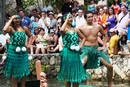
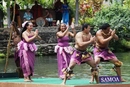
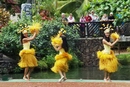
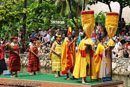
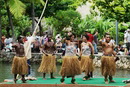
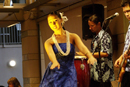
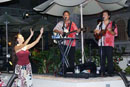
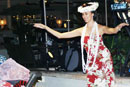
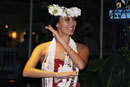
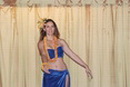
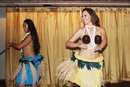
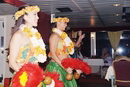
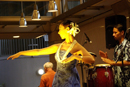
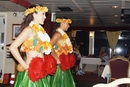
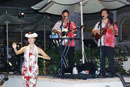
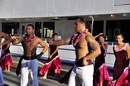
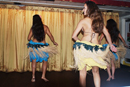
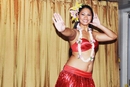
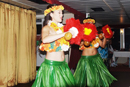
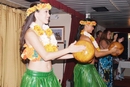
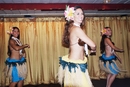
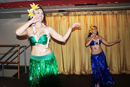
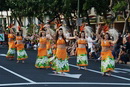
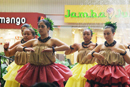
Hula History - The hula is a rich tradition of Hawaiian culture. Its origins are shrouded in legend and according to one of them, the hula originated when the goddess of fire, Pele, commanded her younger sister, Laka to dance. Another legend says that Hi'iaka danced to appease her sister, Pele. A lot of the present day dances are based on this Hi'iaka epic and schools were begun to honor Laka as well as temples that were dedicated to her. Until the early twentieth century, ritual and prayer surrounded all aspects of hula. The teachers and students were dedicated to Laka, the goddess of hula and lived and trained in the temples. In the 1830's, King Kamehameha III issued an edit granting religious freedom and the missionaries, recognizing that the hula could not be quelled, countered with the condition that the dancers wear the Victorian-style high necked and long sleeved gown in substitution of the pa'u. In 1874, Kalakaua was elected as king and being fun loving, he enjoyed celebrations, festivals, and traveling and earned himself the title of "The Merrie Monarch." It was during his reign that the hula gained the reputation of being the national symbol of Hawaii as he had waltzes, classical music, and traditional hula performed at his royal celebrations. According to the King Kalakaua's words, "Hula is the language of the heart and therefore the heartbeat of the Hawaiian people."
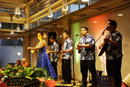
About Hula - The word hula itself refers to the movements and gestures. However, the hula cannot be performed by itself without mele which is the poetry, the most important factor. While mele refers to the sung poetry, oli refers to the voice techniques used to deliver the mele. Mele are chanted both in the rhythmic manner and nonrhythmic manner. Mele records cultural things ranging from sacred mele pule (prayers) and mele inoa (name chants, mostly for chiefs) to topical mele ho'oipoipo (love songs) and mele 'aina (songs praising the land). This is one way used to classify the dances. Allusion is greatly used and valued in the poetry. The hula movements and gestures do not tell the whole story, but instead interprets the key aspects of the mele. The older chant-accompanied dances can be performed while either standing or sitting. In the standing dances, the performers are divided into the 'olapa (dancers) and the ho'opa'a who chant the mele and provide the percussive instrumental accompaniment. In the sitting dances, the performers are also the musicians. They will perform the gestures and accompany themselves with the percussive instruments. While the hand and arm gestures interpret the words, foot motifs are performed continuously throughout the dance. A few of the motifs are the kaholo, 'uwehe, 'ami, kawelu, and etc.
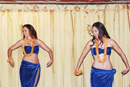
Hula Styles - The hula kahiko uses dancing and chanting to relate the proud and somber history, customs, ceremonies, and traditions of ancient Hawaii and the people of Hawaii. The hula auana is the dance that is widely performed today. It is the combining of dance and music for a more playful, joyous, and spirited telling.
Hula Halau - Halau is a school that teaches hula. Each halau is headed by the kumu who is the head of the school and the teacher. The halau consists of the kumu, the 'olapas, and the ho'opa'a. Each halau have important and formal protocols which must be followed. A very formal protocol practiced by all halaus is that before entering the school, you need to give a chant asking permission to enter. The kumu will listen to the chant and if they see that you are sincere in your wish to enter, they will chant back giving you permission to enter. If they see that you are not sincere though, they will not answer and will have you chant again until they see that you genuinely want to come in and learn. |
|
|